
Novel series are all the rage. Some authors spend their entire careers writing about the same character, or team of characters, getting into and out of one predicament or another. Why? Because it sells. When walking into a bookstore, or browsing online, familiarity sells. Because consumers are risk adverse. We want to know that what we’re spending money on is exactly what we’re looking for. That’s why there are twenty-five Jack Reacher novels and nine Fast and Furious movies.
But there’s a new kid on the block, and I’m not talking about Donnie Wahlberg.
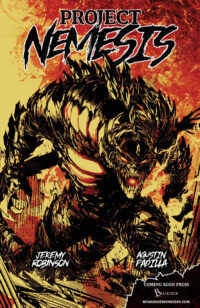
A few years years ago, after writing several series, including the five-book Nemesis Saga, the five-book Last Hunter saga, and the Jack Sigler thrillers, which are composed of ten novels and eleven novellas, I publicly declared that I was done writing series. Mostly because I get bored writing about the same characters over and over, and if I’m bored, you’re bored. It was at this time that I adopted a new (to novels) theory of long-term storytelling: Worlds, not series.


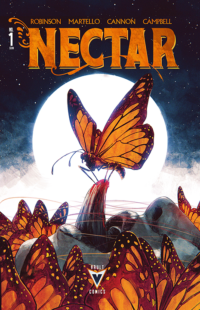
I’ve been a comic book guy most of my life, and I started my creative career as a comic book artist/writer who shifted to screenwriting and then to novel writing. Most comic book series inhabit the same universe under the umbrella of whoever publishes them (Marvel, D.C., etc.), allowing for crossovers and massive comic book events like The Infinity Gauntlet and Secret Wars. If you’re not a comic book reader, but this sounds familiar, it’s probably because over the past decade, Marvel has brought this method of epic storytelling to movies as well. They started with solo characters (Iron Man, Thor, and Captain America), and then they brought those characters together with others in The Avengers movies while, on the side, they introduced audiences to even more characters (Spider-Man, Black Panther, Guardians of the Galaxy, Doctor Strange,and Ant-Man) all of whom came together for the two-movie Infinity War/Endgame event.

 It’s no secret. Writing a sequel to Infinite, my best selling and most reviewed novel ever (by a lot), has intimidated me for years. But fans have been wonderfully persistent, asking for the story to continue, and, well, sales justify it. But sequels are tricky, especially for a twisty novel like Infinite. In the long history of sequels, writers attempted to recreate the magic of the first book or movie, repeating a similar story, following the same beats, and hoping to strike gold twice. But most of the time, they fail. And not because they’re bad stories on their own, but because the very act of trying to recreate something—a little bit different—robs it of the magic that made it wonderful in the first place.




Recent Comments